01
Why Yakima Homes Often Need a Panel Check Before EV Charger Installation
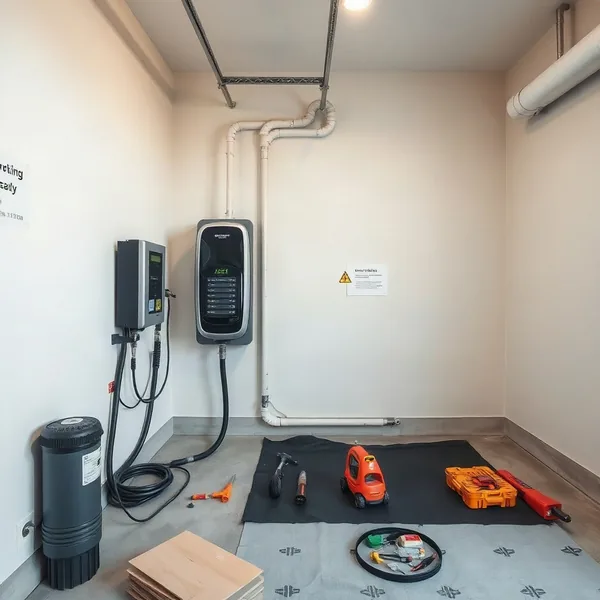
A dedicated 240-volt circuit is non-negotiable for a Level 2 EV charger, and that circuit has to come from somewhere.
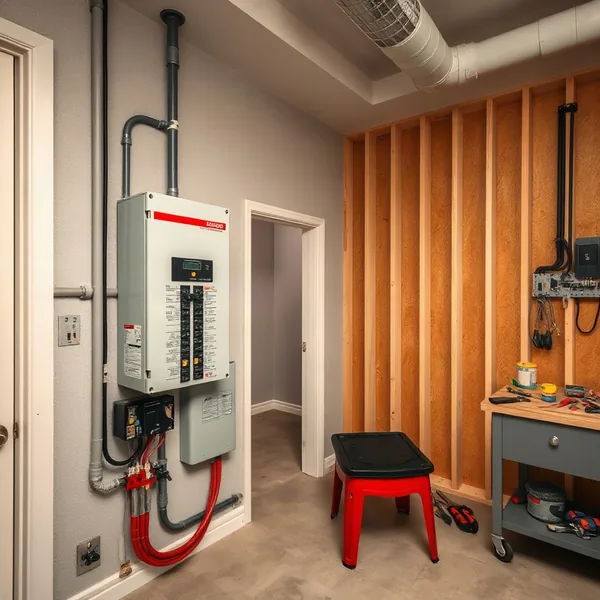
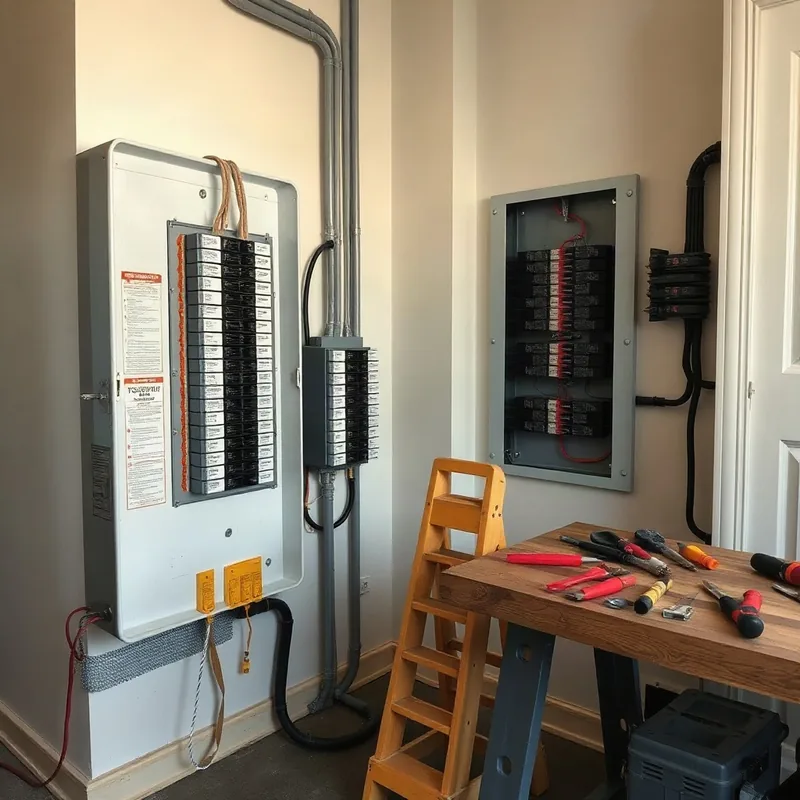
A significant share of Yakima's housing stock was built before 1980, and many of those homes still carry Federal Pacific or Zinsco panels that electrical inspectors flag as fire hazards. Adding a 50-amp EV circuit to one of these panels isn't just inadvisable — most licensed contractors won't do it without a panel replacement first. The good news is that Pacific Power offers rebate programs for qualifying panel upgrades, which can meaningfully cut the out-of-pocket cost. Contractors in our network scope both the charger and the panel together so you're not hit with a surprise second project mid-installation.
02
Outdoor EV Charger Installations in Yakima's Extreme Climate
Yakima's weather is hard on outdoor electrical equipment.
Summer temperatures regularly break 100°F, and January lows can fall below 10°F — that's a seasonal swing of more than 90°F that cycles thermal stress into conduit fittings, wire insulation, and enclosure seals every single year. Any outdoor EV charger installation here should use UV-resistant conduit, weatherproof NEMA-rated enclosures, and outdoor-rated GFCI protection rated for wide temperature swings. If your charger will be mounted on a detached garage or carport served by older wiring, a contractor should inspect that existing run before hanging the charger. Getting the weatherproofing right upfront adds little to the total cost and can easily double the equipment's service life in this climate.
03
Washington State's EV-Ready Conduit Requirement and What It Means for Yakima Remodels
Washington State adopted the 2021 International Energy Conservation Code with amendments that require EV-ready conduit rough-ins in new residential construction and qualifying major renovations — and that applies to projects in Yakima.
For homeowners mid-remodel, the trigger depends on project scope, and it's worth confirming with your contractor before the walls close. Either way, the contractors we refer understand where the state code intersects with local Yakima permit requirements and can advise you before work begins.
04
GFCI and AFCI Safety Devices: What Yakima Homeowners Should Know
Ground-fault circuit interrupter (GFCI) outlets protect against shock in wet areas — kitchens, bathrooms, garages, and outdoor locations including EV charger circuits.
Arc-fault circuit interrupter (AFCI) breakers protect against electrical fires caused by damaged or deteriorating wiring, which is a real concern in older Yakima homes with aluminum branch-circuit wiring or original knob-and-tube runs. The 2023 NEC cycle, which informs Washington State's adopted code, has expanded the required locations for both device types. Contractors we connect you with can audit your current device placement against current code requirements and recommend targeted upgrades — particularly important if your home predates the 1980s and hasn't had a full electrical review recently.
05
Permits, Inspections, and Coordinating with Pacific Power
Every EV charger installation in Yakima requires a permit, and the issuing authority depends on your address.
Homes inside city limits go through the City of Yakima Code Administration Division; properties in unincorporated areas of the county route through the Yakima County Building Department. Processing times typically run 3–10 business days, so your contractor should pull the permit before scheduling installation day. After the inspection sign-off, Pacific Power — Yakima's primary electric utility — may require inspection documentation as part of rebate applications for panel upgrades or energy-efficiency improvements. The contractors we refer handle permit pulling as part of the job, not an afterthought, and can walk you through rebate paperwork at pacificpower.net.