01
What Does Hot Tub Wiring Involve?
240V circuitGFCI breaker
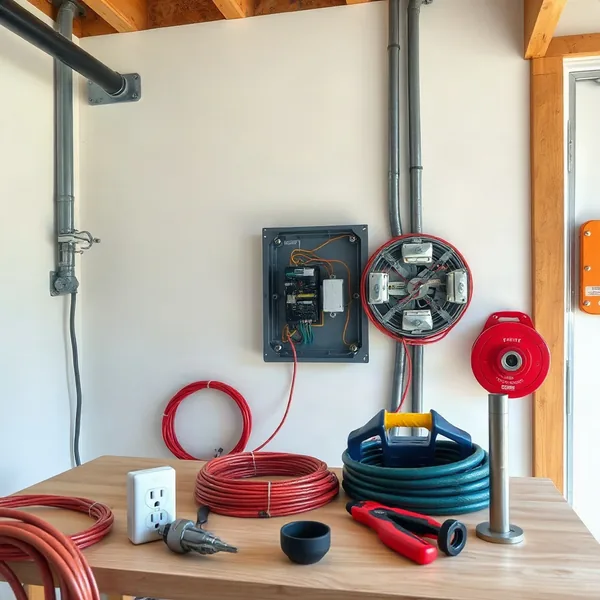
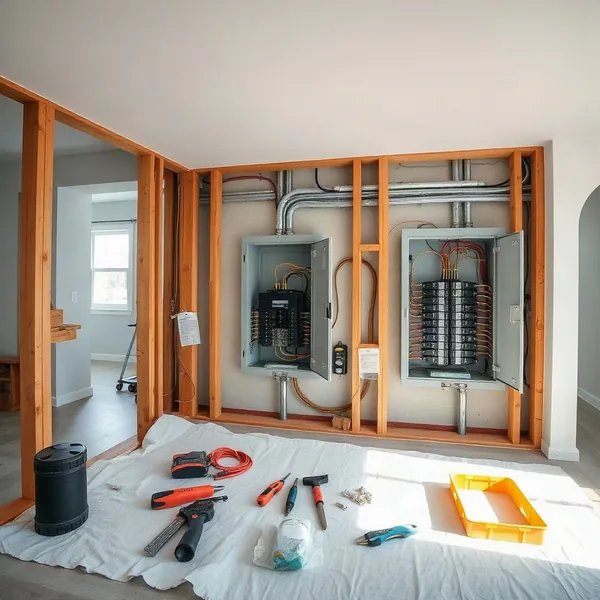
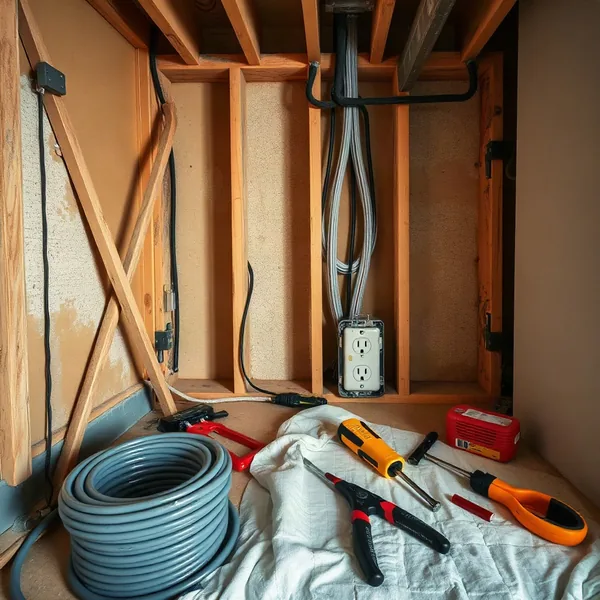
A hot tub wiring job is more involved than adding a standard outlet — it requires a dedicated 240V circuit run from your main electrical panel to the spa location, a weatherproof disconnect switch mounted within sight of the tub, and a GFCI breaker sized to the spa's nameplate amperage. This hot tub wiring guide applies to permanently installed spas regulated under NEC Section 680. The typical installation covers 30 to 80 linear feet of conduit, panel work to add or verify breaker space, and final connections at the spa's load center. Expect the job to take one full day for a straightforward run with no panel complications.
02
How Much Does Hot Tub Wiring Cost?
permitelectrician labor
Hot tub wiring cost rises with the distance from your panel to the tub — every additional 10 feet of conduit adds material and electrician labor. Request a local quote to confirm your specific run distance and panel condition before budgeting.
03
What Size Breaker and Disconnect Does a Hot Tub Need?
GFCI breakerdisconnect switch50-amp
Most residential spas require a dedicated 50-amp, 240V double-pole GFCI breaker — that's the most common breaker for hot tub installations and the minimum protection NEC 680 mandates.
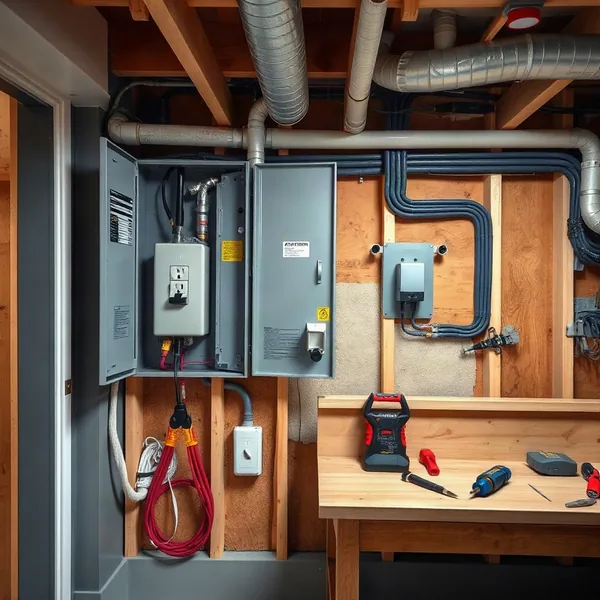
A 30-amp hot tub disconnect is sometimes appropriate for smaller 120V plug-in models, but permanently installed spas almost always call for the 50-amp rating to handle the combined load of heating elements, pump motors, and controls. The disconnect switch must be installed within sight of the tub — NEC places that between 5 and 10 feet — and must be accessible without crossing the water barrier. Always check your spa's nameplate before ordering hardware; undersizing the GFCI breaker is one of the most frequent code violations inspectors catch.
04
What Wire Gauge and Type for 220V/240V Hot Tubs?
6AWG copperTECK cable240V
For a 50-amp 240V hot tub circuit, 6AWG copper wire is the standard conductor size — lighter gauges overheat under sustained spa loads and fail inspection.
That sizing applies to 240V hot tub wiring from the panel to the disconnect and from the disconnect to the spa load center, making this a true 4-wire installation: two hots, a neutral, and a ground. In Washington State, electricians sometimes specify TECK cable for outdoor runs where armored protection is preferred, though rigid conduit with THWN conductors is equally common. Hot tub wiring size must match both the breaker rating and the manufacturer's ampacity spec — never assume 220V hot tub wire from a previous installation is already the right gauge without verifying it with a meter.
05
Hot Tub Junction Boxes, Electrical Boxes, and Wiring Kits
junction boxweatherproof box
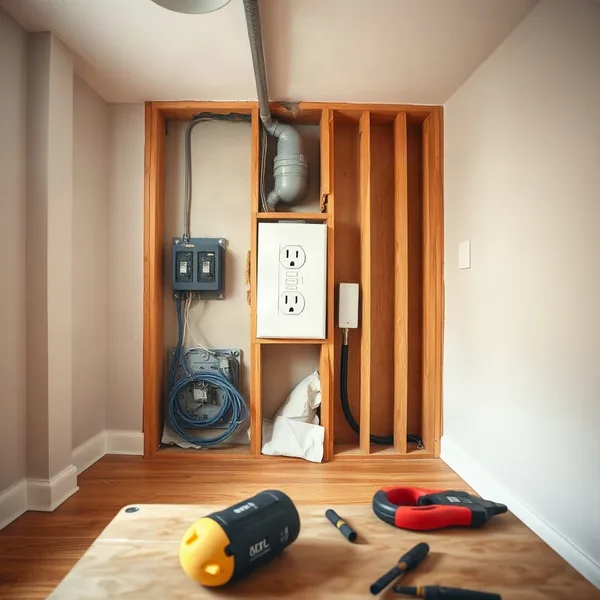
Every hot tub installation involves at least one electrical box — typically a weatherproof box housing the disconnect switch and a separate junction box at the spa's equipment compartment.
The electrical box for a hot tub must carry a NEMA 3R or better rating to handle outdoor exposure; anything less will let moisture into connections and cause nuisance trips or corrosion within a season. Some manufacturers sell a hot tub wiring kit that bundles the disconnect enclosure, conduit fittings, and GFCI wiring hardware, which can simplify sourcing but doesn't replace professional installation. Hot tub GFCI wiring must terminate in approved, weatherproof boxes — open wire splices near a water source are both a code violation and a genuine electrocution hazard.
06
Bonding Wire and Jacuzzi Switch Replacement
bonding lugequipotential bonding
Equipotential bonding is the single most misunderstood requirement in hot tub wiring.
The NEC requires that all metal components — the spa shell, water, pump motor, heater housing, and any metal within 5 feet of the tub — be connected to a continuous bonding grid using a solid copper bonding wire attached at each bonding lug. This isn't grounding; bonding eliminates voltage differences between components that could shock a bather even when no fault exists. A jacuzzi tub on/off switch replacement is a separate but related task — if your control panel switches are failing, a licensed electrician should inspect the bonding continuity at the same visit, since corrosion at bonding lugs often accelerates switch and control failures in outdoor spas.
07
Does Yakima's Climate Affect Hot Tub Electrical Installs?
outdoor conduitfreeze protection
Yakima's climate has a direct effect on how hot tub electrical wire must be routed and protected.
With summer temperatures regularly exceeding 100°F and winter lows that drop below 10°F according to NOAA data for the Yakima station, that's a thermal swing of more than 90°F cycling through outdoor conduit and junction boxes every year. Contractors here specify rigid or liquid-tight outdoor conduit rated for UV exposure and freeze conditions — standard indoor conduit degrades quickly under direct sun. Freeze protection matters for any conduit run through unheated crawl spaces, and weatherproof boxes must be gasketed, not just rain-resistant. Specifying the right materials from the start prevents insulation cracking and moisture intrusion that would require a costly rewire within just a few years.