01
Fuse Box to Breaker Box: Should You Upgrade?
fuse boxscrew-in fusebreaker box
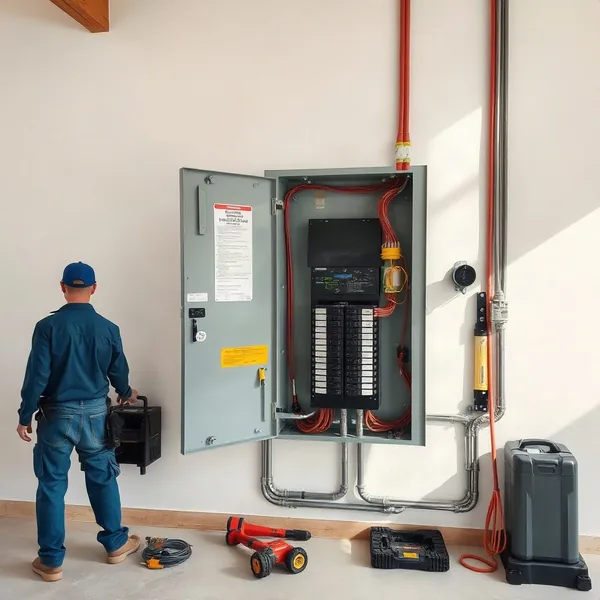
If your home still has a fuse box, replacing it with a modern breaker box is almost always the right call — and in Yakima, it's an especially urgent one.
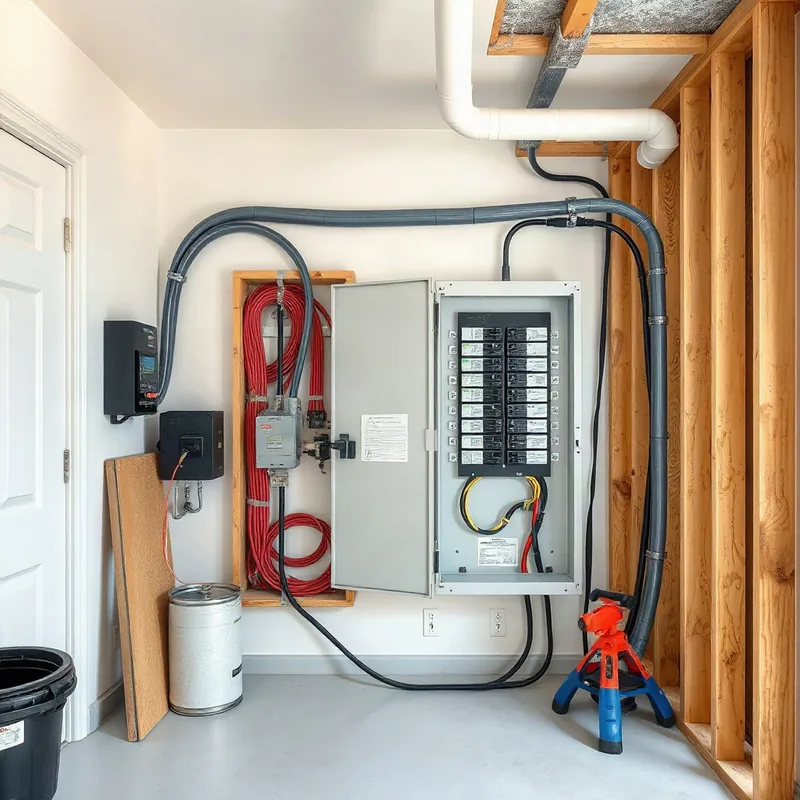
A large share of local homes were built before 1980, and many still contain original screw-in fuse panels or early breaker panels from brands now considered fire hazards. Unlike a fuse, which must be manually replaced after it blows, a circuit breaker resets in seconds and trips consistently under overload conditions. Fuse box replacement also eliminates the temptation to install an oversized fuse — a dangerous workaround that hides wiring problems rather than fixing them.
02
What Size Breaker Box Do You Need?
100 amp200 ampload calculation
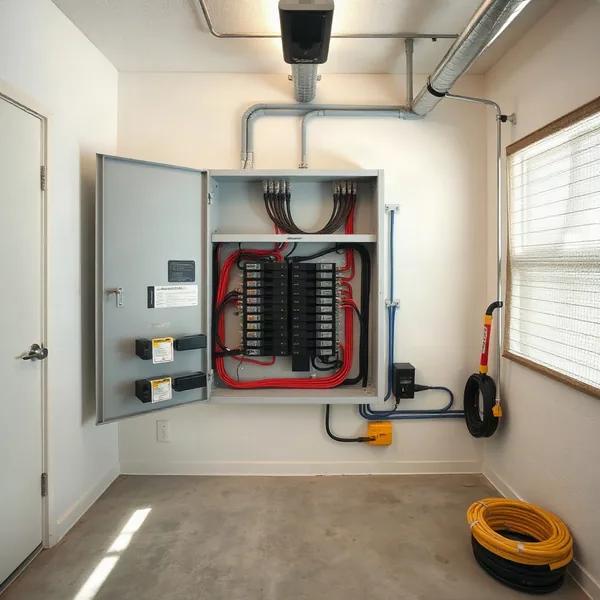
The right panel size comes down to your home's actual electrical load, which a licensed electrician determines through a formal load calculation before any equipment is ordered.
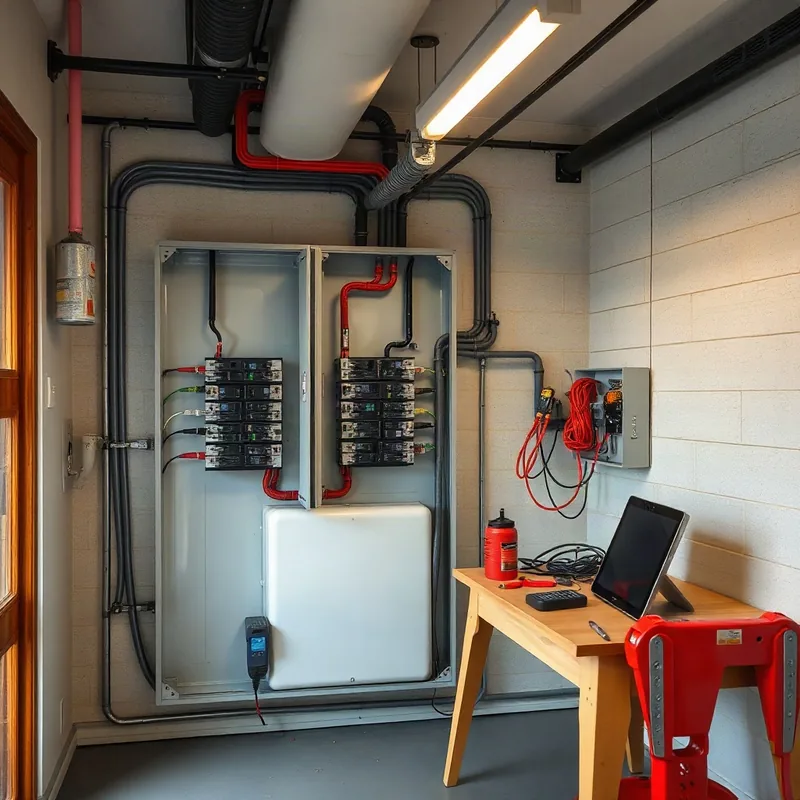
A 100 amp breaker box handles smaller homes under roughly 1,200 square feet with gas heat and minimal high-draw appliances — an outdoor 100 amp panel is also common for detached garages or accessory structures on Yakima properties. A 200 amp breaker box is the practical choice for most Yakima households: summers here regularly push past 100°F, meaning AC systems run hard for weeks at a stretch and drive sustained peak loads that a 100 amp panel box simply wasn't designed to carry. Washington State's 2021 IECC also mandates EV-ready conduit in new construction and major remodels, which pushes demand toward 200 amp breakers as the future-proof baseline.
03
How Much Does Breaker Box Replacement Cost?
laborpermitmaterial cost
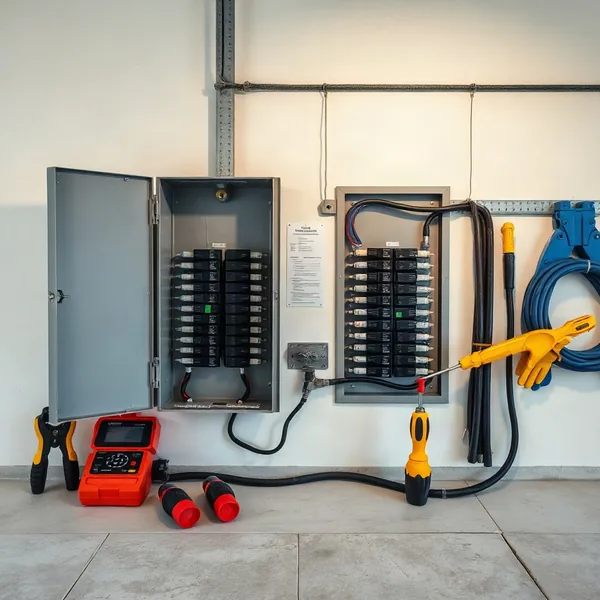
Circuit breaker box replacement cost rises when the panel must be relocated, when existing aluminum branch-circuit wiring needs remediation, or when the service entrance requires updating. Breaker box installation cost may be partially offset by Pacific Power's energy-efficiency rebate programs for qualifying upgrades.
04
Indoor vs Outdoor Breaker Box Installation
weatherproof enclosurepanel dooroutdoor rating
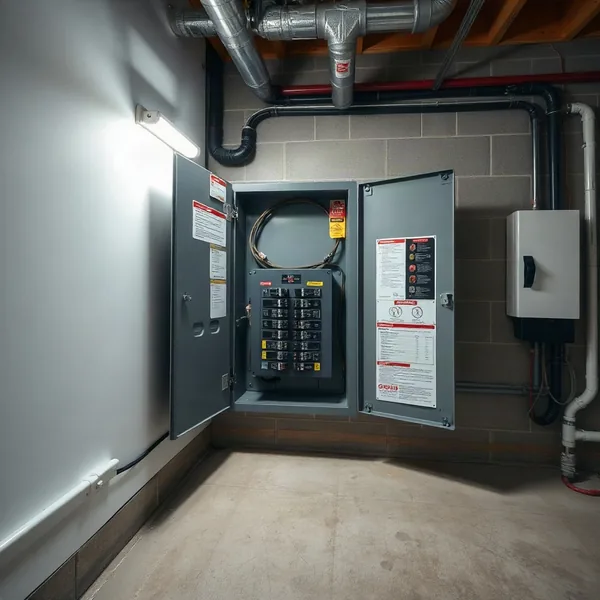
Whether your outdoor electrical panel box or interior panel is the better fit depends on your home's layout and the utility service entrance location.
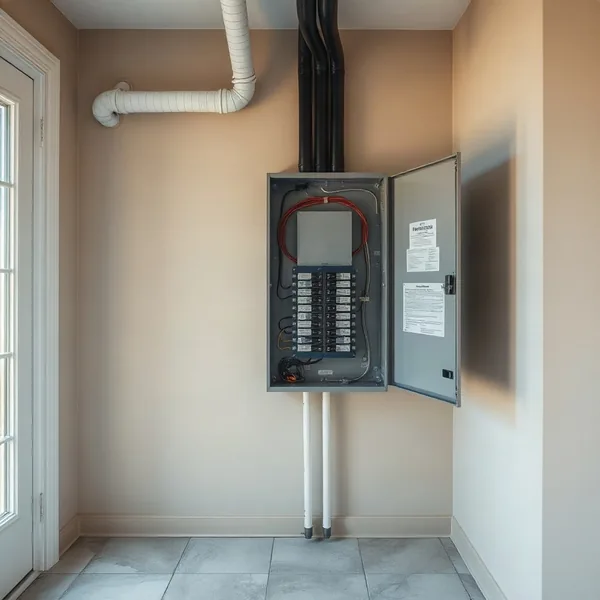
An interior electrical panel cabinet is the more common choice in Yakima homes — it's protected from the region's temperature swings, which exceed 90°F between summer highs and winter lows, reducing stress on the enclosure and components. When an outdoor installation is necessary, the panel must be housed in a NEMA 3R or better weatherproof enclosure with a sealed electrical panel door that keeps moisture and dust out year-round. The panel door must also remain accessible for utility shutoff and inspection.
05
New Breaker Box Installation Process
wiringgroundinglabeling
Installing a new breaker box starts with the utility meter being pulled so the electrician can work on a de-energized service entrance safely.
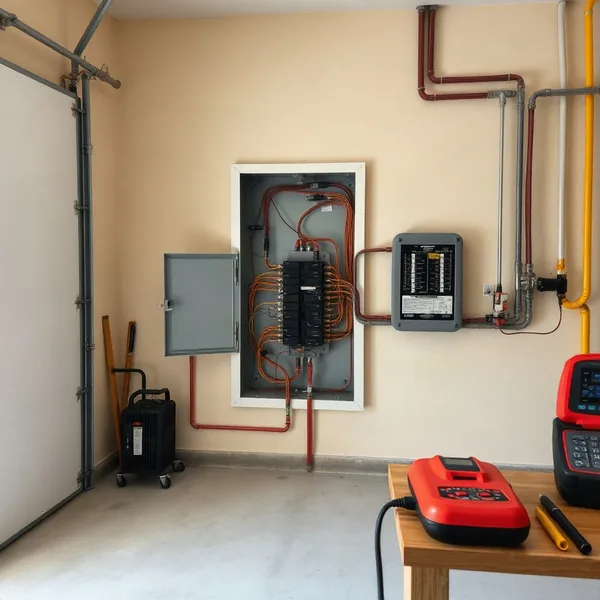
The old panel is disconnected, and a new circuit breaker box is mounted in the chosen location — properly anchored to a structural surface with adequate clearance on all sides per current code. Wiring a breaker box means reconnecting every branch circuit to its correctly sized breaker, with the neutral and ground conductors landed on separate bars per modern grounding requirements. Once all circuits are terminated, the main breaker is seated and the panel is closed. The electrician then labels every circuit clearly before the inspector arrives. To install a new breaker box that passes inspection in Yakima, grounding and bonding must meet Washington State code, which the inspector verifies before authorizing re-energization.