01
What Does Carbon Monoxide Detector Installation Include?
hardwired CO alarmbattery backupUL 2034
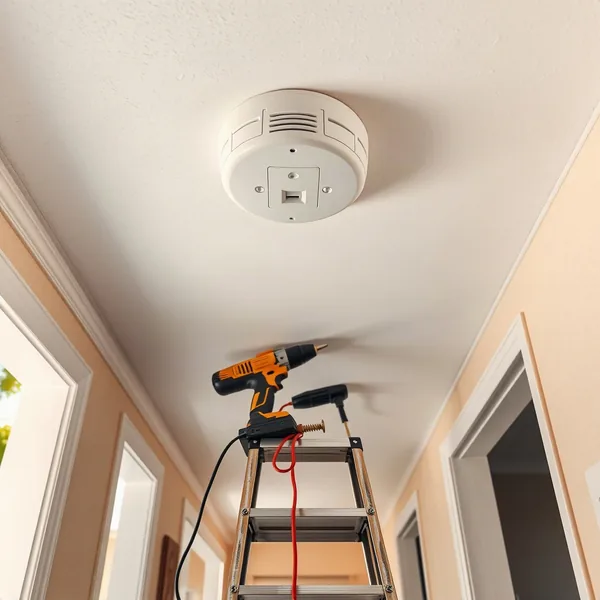
Carbon monoxide detector installation covers everything from placement planning to a final alarm test — it is not simply screwing a unit to the wall.
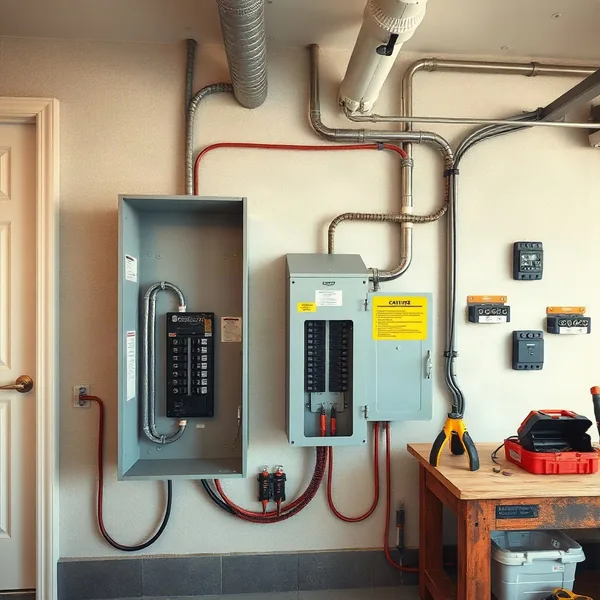
A licensed electrician evaluates your home's layout, identifies all fuel-burning appliances, and selects UL 2034-listed detectors that meet Washington's performance standard. For most Yakima homes, the electrician installs a hardwired CO alarm that draws power directly from a branch circuit and includes battery backup so the unit stays active during an outage. Older pre-1980 Yakima homes with aluminum branch-circuit wiring get a wiring check before any new circuit connection. The job typically takes two to four hours for a two-story home with two or three detector locations.
02
Where Should a Carbon Monoxide Detector Be Placed in My Home?
sleeping areafurnace roomattached garage
CO detector placement follows a simple rule: within 10 feet of every sleeping area, on each level of the home.
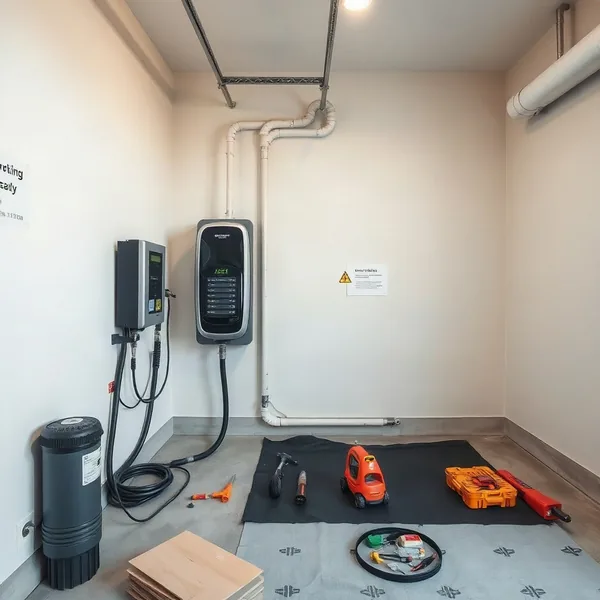
Washington State guidance and most manufacturers also call for a detector near the furnace room, since that is where combustion appliances produce the highest localized CO concentrations during startup. Homes with an attached garage — common across Yakima's suburban neighborhoods — need a unit on the wall or ceiling nearest the interior door, because vehicle exhaust is one of the most frequent CO sources. Co2 detector placement near gas water heaters or fireplaces should keep at least 15 feet of clearance to avoid nuisance trips during normal appliance startup. Mount units at outlet height or 5 feet up the wall, as specified on the device label.
03
Is a Carbon Monoxide Detector Required by Washington Law?
RCW 19.27.530fuel-burning appliancestate fire code
Washington State's RCW 19.27.530 requires a functioning CO alarm in every dwelling that contains a fuel-burning appliance, a fireplace, or an attached garage.
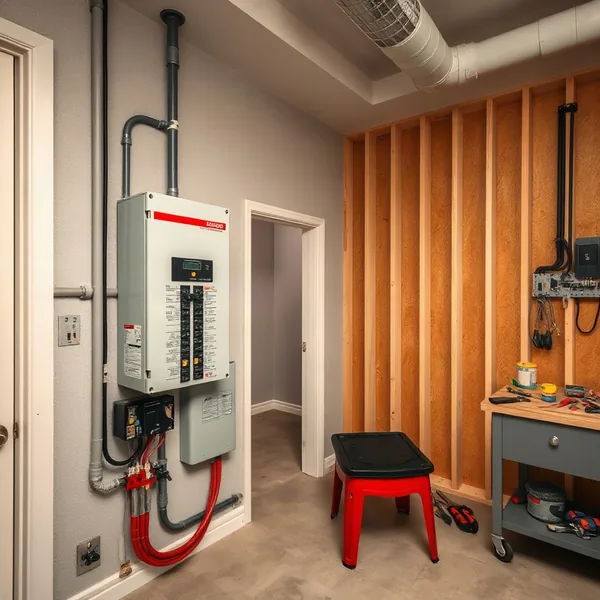
That requirement covers the vast majority of Yakima homes, where natural gas furnaces and wood-burning fireplaces are common — and where winter temperatures regularly fall below 10°F, meaning heating systems run hard for months. The state fire code applies to new construction, homes offered for sale, and rental properties alike. Landlords housing Yakima's seasonal agricultural workforce must have compliant detectors in place before each occupancy. Permits for any hardwired installation are issued through the City of Yakima Code Administration Division for city addresses or through Yakima County Building Department for unincorporated properties — confirm your jurisdiction first.
04
How Do I Know My Detector Is Working?
test buttonalarm sensitivityheating season check
Press and hold the test button on your CO detector for five to ten seconds — a functioning unit will sound its full alarm pattern and stop within seconds of release.
Yakima residents should run this carbon monoxide detector test every month, and especially in September before the heating season begins, because furnaces and gas fireplaces that sat idle all summer can produce elevated CO on their first few cycles. Alarm sensitivity degrades over time; most sensors are rated for five to seven years, after which a chirp pattern or end-of-life indicator signals replacement. A hardwired unit that fails the test even with fresh backup batteries needs to be replaced, not reset. Never use an open flame to test — the test button is the only manufacturer-approved method.
05
Understanding CO Alarm Sounds and Warnings
chirp patternlow-battery signalalarm decibel level
A carbon monoxide detector alarm uses distinct sound patterns to tell you what is happening: four short beeps repeated continuously means CO has been detected and you must evacuate immediately.
A single chirp every 30 to 60 seconds is a low-battery signal — replace batteries and retest. Some units add a third chirp pattern for end-of-life notification. Most residential models produce an alarm decibel level of 85 dB at 10 feet, loud enough to wake sleeping occupants, which is why proximity to bedrooms matters. A combo smoke/CO unit uses different tones or voice prompts to separate a smoke event from a CO event, preventing confusion during an emergency. If your detector sounds in normal conditions without a known CO source, check for placement too close to a fuel-burning appliance.