01
Why Lighting Upgrades Matter in Yakima's Older Homes
A large share of Yakima's housing stock was built before 1980, and many of those homes still have aluminum branch-circuit wiring running to every fixture location.
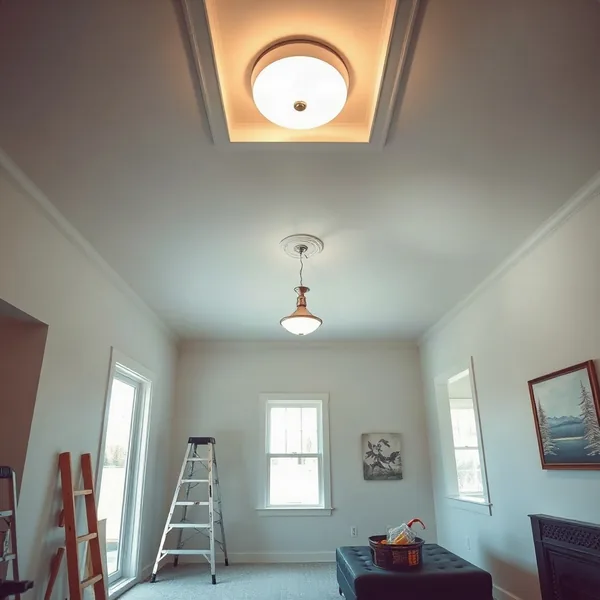
Standard light fixtures and fan kits assume copper wiring, so using them on aluminum circuits without CO/ALR-rated connections and anti-oxidant compound creates real fire risk. Contractors in our network understand this distinction and inspect for it before quoting. If your home has a Federal Pacific or Zinsco panel — both flagged as hazards — they'll note that too, since aging panels affect how safely a new lighting circuit can be added.
02
Ceiling Fans and Yakima's 100°F Summers
Yakima regularly sees temperatures above 100°F in July and August, putting residential electrical systems under heavy load as air conditioners run continuously.
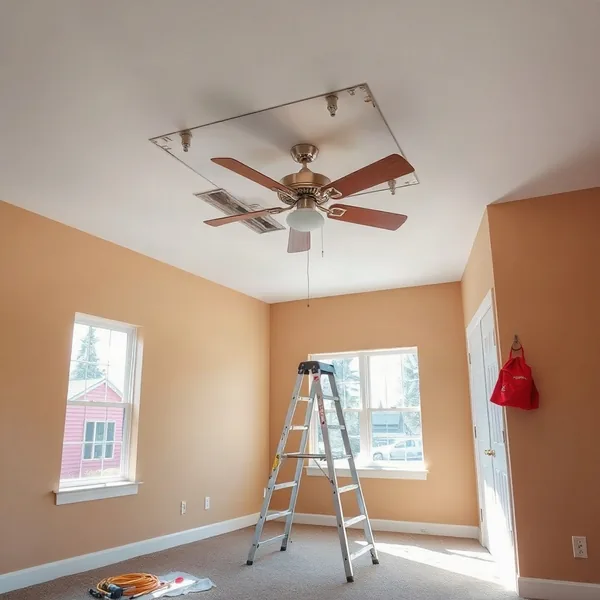
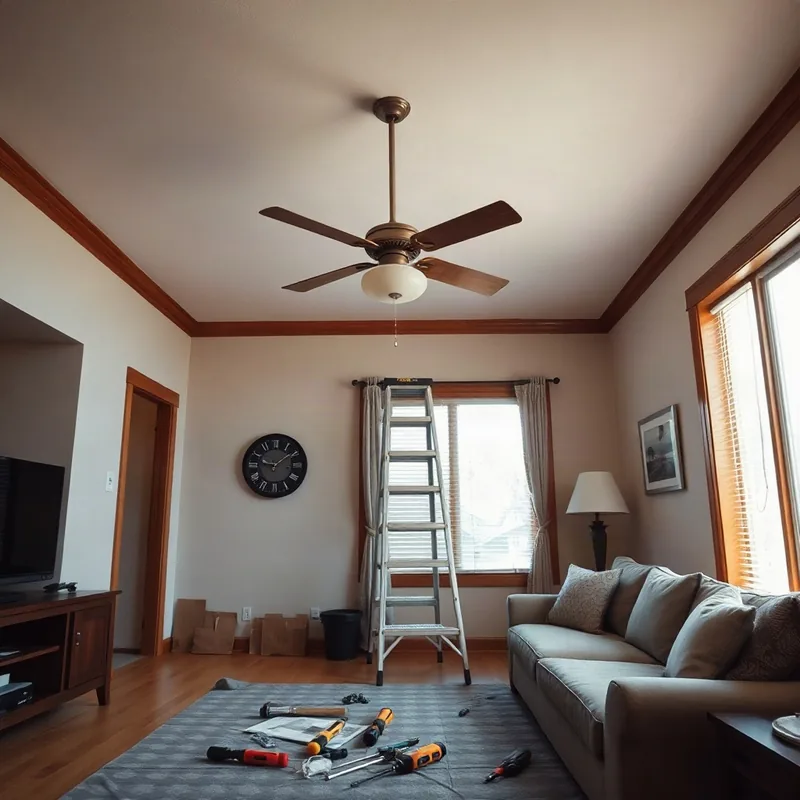
A ceiling fan reduces perceived room temperature by 4–8°F through the wind-chill effect, which lets homeowners raise the thermostat a few degrees without sacrificing comfort. That directly lowers the amperage demand on panels that are already working hard during peak heat. Because demand for ceiling fan installation spikes every May, scheduling by late April gives you the best shot at getting on a contractor's calendar before the wait stretches past three weeks.
03
Permit Requirements: City vs. County in Yakima
Replacing a like-for-like fixture rarely triggers a permit, but adding a ceiling fan where none existed — which means new wiring or a new circuit — does require one.
The jurisdiction that issues your permit depends entirely on your address. Properties inside Yakima city limits go through the City of Yakima Code Administration Division. Homes in unincorporated areas of the county fall under the Yakima County Building Department, which runs its own inspection schedule. Contractors in our network confirm jurisdiction before starting work, so you don't end up with unpermitted wiring that complicates a future home sale.
04
LED Retrofits and Energy Savings
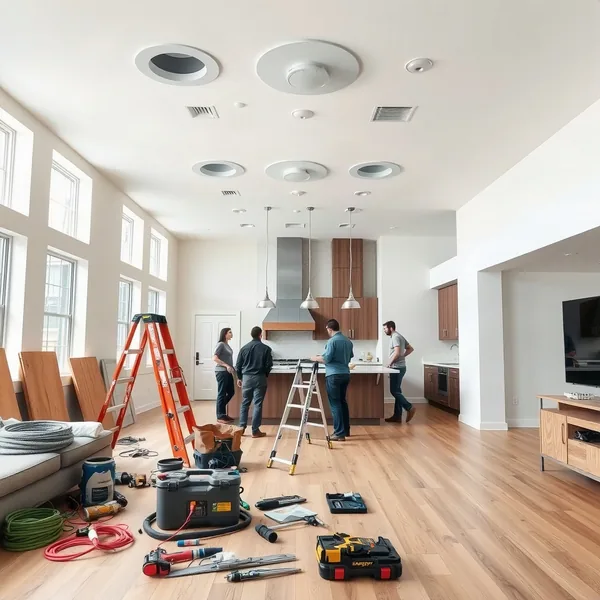
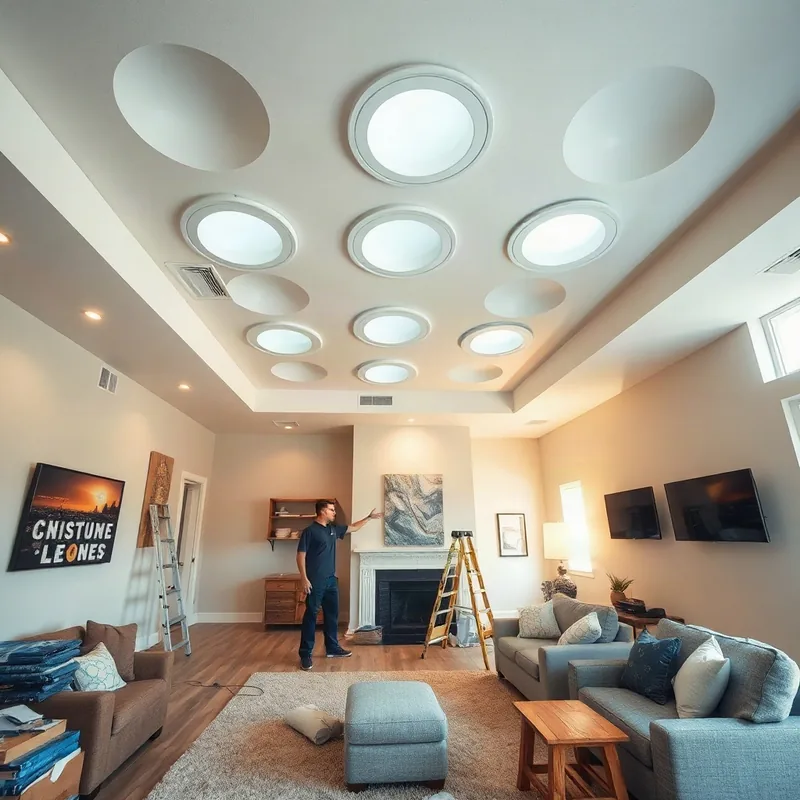
Swapping incandescent and fluorescent fixtures for LED equivalents cuts wattage per fixture by 60–75%, and in Yakima's hot summers that reduction also means less heat generated inside living spaces — a real secondary benefit when outdoor temps are already brutal. Pacific Power, Yakima's primary electric utility, offers energy-efficiency rebate programs at pacificpower.net; while most current rebates target panel upgrades and EV chargers, pairing lighting upgrades with other qualifying improvements can sometimes push a project over a rebate threshold. Ask your contractor to review the current schedule before finalizing your scope.
05
Rental Properties and Harvest-Season Wear
Yakima's agricultural economy brings intense seasonal occupation to rental and multi-family housing during harvest, concentrating months of electrical wear into a few weeks.
Fixture sockets burn out faster, ceiling fan motors accumulate more run hours, and outlets in common areas see heavier use than in owner-occupied homes. Rental property owners in our network often schedule lighting inspections and fixture replacements in late winter — before the April ramp-up — so units are code-compliant and fully functional before seasonal tenants arrive. That timing also avoids the summer scheduling crunch when residential electricians are busiest.