01
Why Wiring Problems Are More Common in Yakima Than Most Cities
A large share of Yakima's housing stock dates to before 1980, and that matters enormously for wiring.
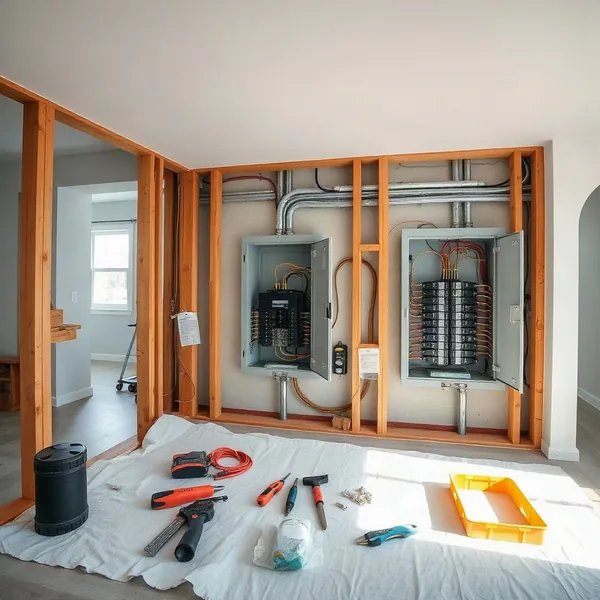
Homes from that era frequently contain aluminum branch-circuit wiring — not the aluminum service entrance cable, which is still standard, but the smaller branch-circuit wiring that connects outlets and fixtures. That material oxidizes at connection points and creates a genuine fire risk over time. Federal Pacific Stab-Lok and Zinsco panels from the same period are considered hazardous by electricians and insurance carriers alike. Add Yakima's brutal summers, where temperatures regularly clear 100°F and push AC systems hard, and you have a market where wiring inspections and remediation aren't optional extras — they're routine maintenance.
02
Circuit Additions and Capacity Upgrades for Modern Loads
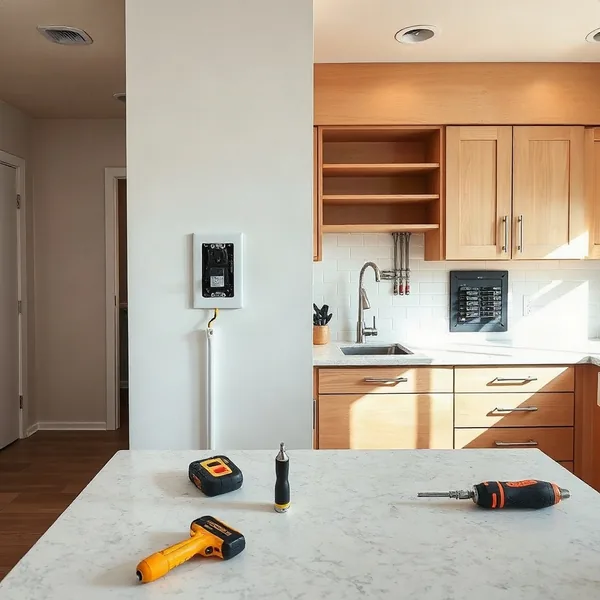
A kitchen wired for 1972 appliances wasn't designed to carry a modern double-oven range, a dishwasher, and a microwave simultaneously.
Adding dedicated circuits — typically 20 amps for kitchen appliances and 30 or 50 amps for larger equipment — is one of the most common jobs Yakima electricians handle. Washington State's adoption of the 2021 IECC also means that new construction and major remodels now require EV-ready conduit rough-ins, which is a 40-amp, 240-volt circuit stubbed to the garage before any charger is even purchased. Homeowners planning that kind of upgrade should check with Pacific Power early — Yakima's electric utility offers rebate programs that can offset a meaningful portion of panel and EV charger installation costs.
03
Outdoor and Weatherproof Wiring in Yakima's Climate
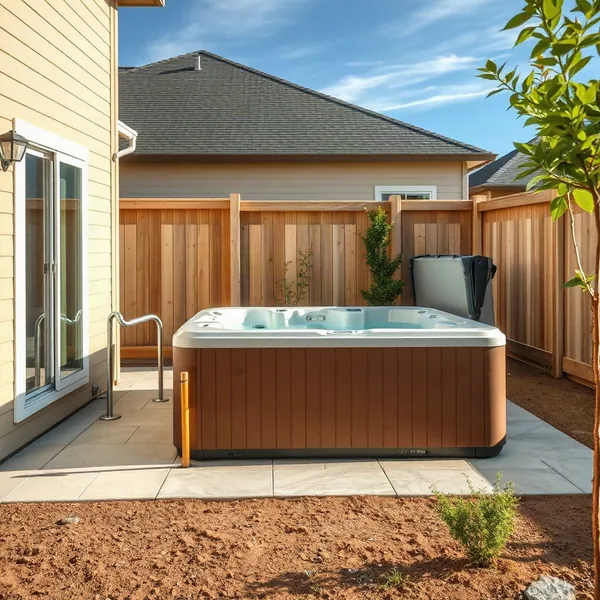
Yakima's seasonal temperature swing exceeds 90°F — summers above 100°F, winters that drop below 10°F — and that range is genuinely hard on anything mounted outdoors.
Conduit seals crack, GFCI outlets fail, and outdoor junction box connections corrode faster than they would in Seattle's mild, wet climate. Irrigation system circuits, exterior lighting runs, and detached garage feeds all need weatherproof installation that accounts for real thermal stress, not just code-minimum compliance. Contractors familiar with Yakima conditions install UV-rated conduit, proper expansion fittings, and GFCI protection rated for the temperature range — details that make the difference between a repair that lasts and one you revisit in 18 months.
04
Permits, Inspections, and Jurisdiction in Yakima
One detail that trips up homeowners and contractors equally: electrical permits in the city of Yakima go through the City of Yakima Code Administration Division, while work on unincorporated county parcels falls under the Yakima County Building Department. They have different application processes, fee schedules, and inspection timelines. Getting this wrong delays projects. The electricians we refer are familiar with both jurisdictions and pull permits correctly before work begins — which matters for homeowner's insurance coverage and for resale inspections. No permit shortcuts, no after-the-fact legalization headaches.
05
Wiring Inspections for Yakima Rental Properties
Yakima's agricultural economy brings a large seasonal workforce that occupies rental housing intensively from late spring through fall harvest.
That kind of concentrated use — multiple occupants, heavy appliance loads, constant outlet cycling — accelerates wear on circuits, panels, and outlet connections in ways that once-a-decade inspections simply don't catch. Rental property owners in the valley find that pre-season inspections, timed to the agricultural calendar rather than an arbitrary annual date, make far more practical sense. A formal inspection also produces documentation that can be relevant when the City of Yakima Code Administration Division reviews a rental license or when an insurance carrier asks for proof of electrical condition.