01
Why Are Your Lights Flickering?
loose bulbloose neutralvoltage fluctuation
Flickering lights trace back to one of several causes, and the location of the fault determines how serious it is.
The simplest explanation is a loose bulb that isn't making consistent contact with its socket — reseating or replacing it takes about two minutes. Beyond the fixture, a loose neutral connection at an outlet, junction box, or panel is one of the most common wiring faults electricians find in Yakima homes, particularly those built before 1980 when aluminum branch-circuit wiring was standard. A loose neutral can cause voltage fluctuation across an entire room or circuit, making multiple lights flicker simultaneously. If more than one fixture is affected or the problem comes and goes regardless of bulb type, the fault is almost certainly in the wiring or panel rather than the fixture itself.
02
Are Flickering Lights a Safety or Fire Risk?
arcingloose connection
Flickering lights become a fire risk the moment the cause shifts from a bad bulb to arcing at a loose connection.
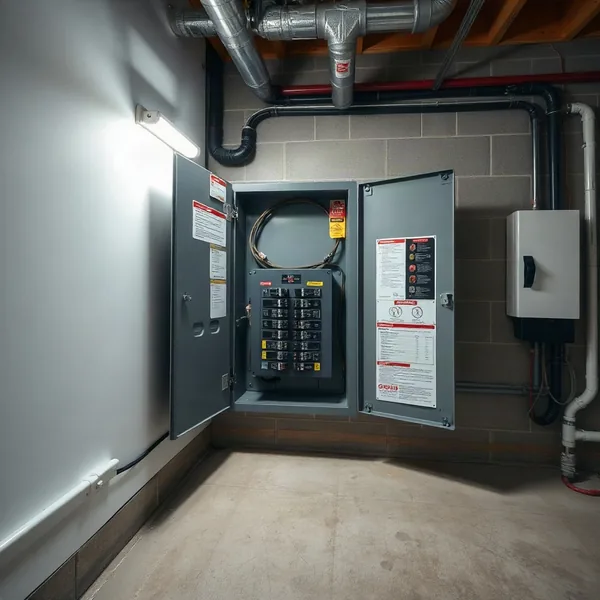
An arcing loose connection generates heat and sparking at the contact point, which can ignite surrounding wood framing or wire insulation — sometimes without any visible warning beforehand. This risk is meaningfully higher in Yakima's pre-1980 housing stock, where Federal Pacific and Zinsco panels are still in service in a significant number of homes. Those legacy panels are known to fail to trip on overloads, meaning an arcing fault can persist longer than it would in a modern panel.
03
Lights Flicker When the AC or Furnace Turns On — Why?
voltage dipcompressor start-updedicated circuit
A brief flicker when the AC or furnace kicks on is usually caused by a normal voltage dip, not a wiring fault.
Compressor start-up on a central air conditioner draws a surge of current — sometimes 3–5 times its running load — for one to three seconds, which briefly pulls voltage down on the circuit and causes nearby lights to dim. In Yakima, where summer temperatures routinely exceed 100°F, AC systems run hard and long, making this symptom more noticeable than in milder climates. A single, quick flicker that recovers immediately is typically fine. If flicker lasts more than two seconds, repeats throughout a run cycle, or spreads to lights on other circuits, a dedicated circuit for the HVAC unit or a panel inspection is the right next step.
04
Flickering Lights Repair Cost and Process
diagnostic visitwiring repair
Repair cost depends almost entirely on where the fault is found.
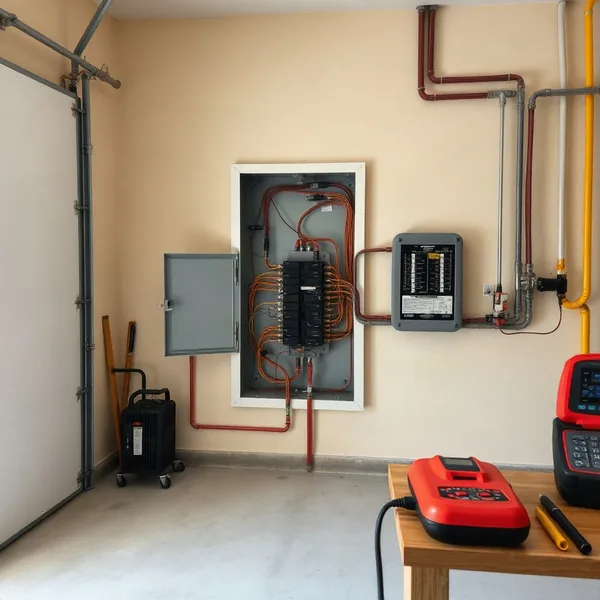
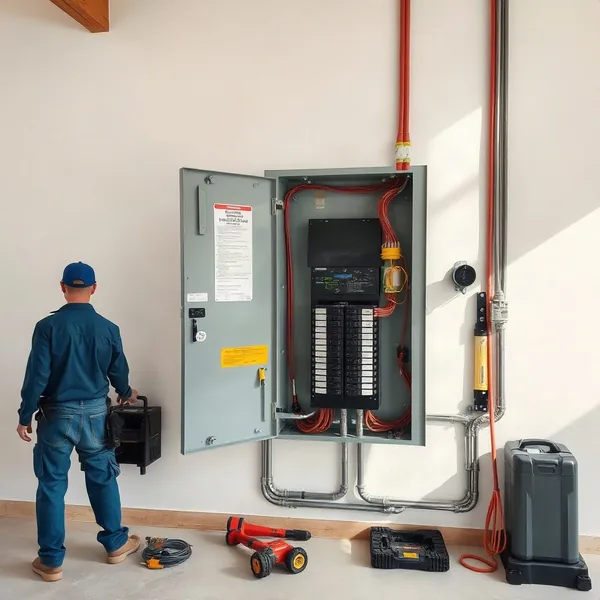
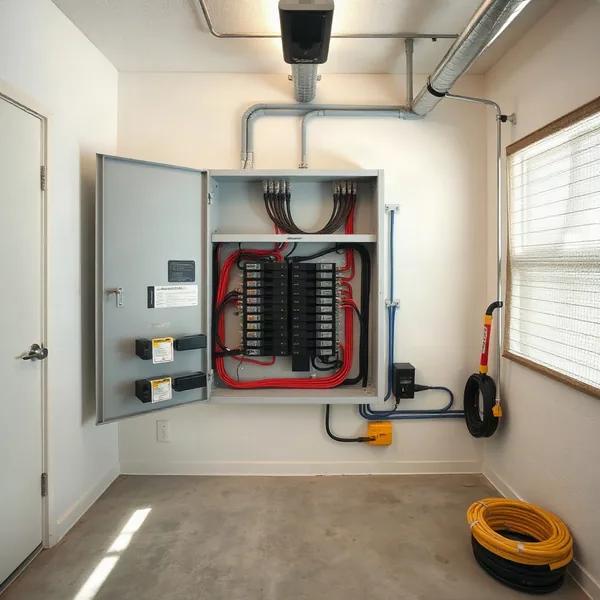
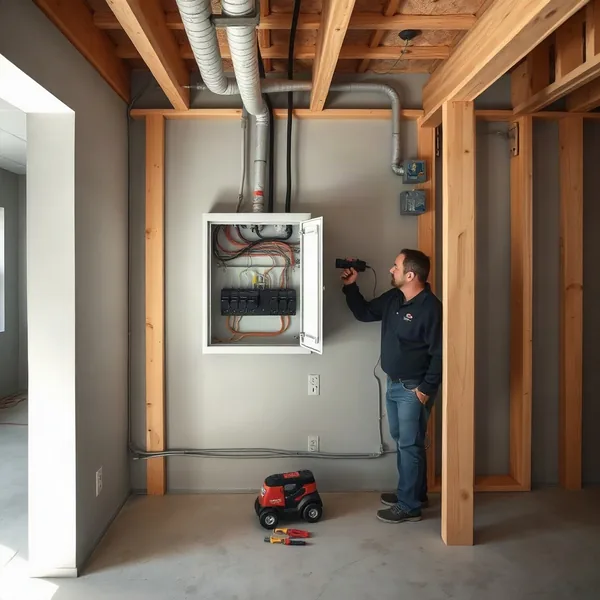
The diagnostic visit itself is the most important step: a licensed electrician traces the fault systematically from the fixture back to the panel, using a multimeter to measure voltage drop and load. Always get a written estimate before any work starts.
05
When Flickering Lights Point to a Bigger Panel Problem
main lugpanel connection
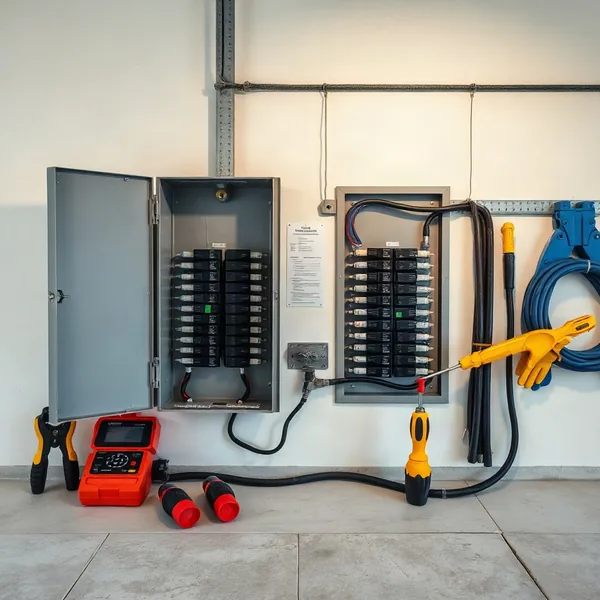
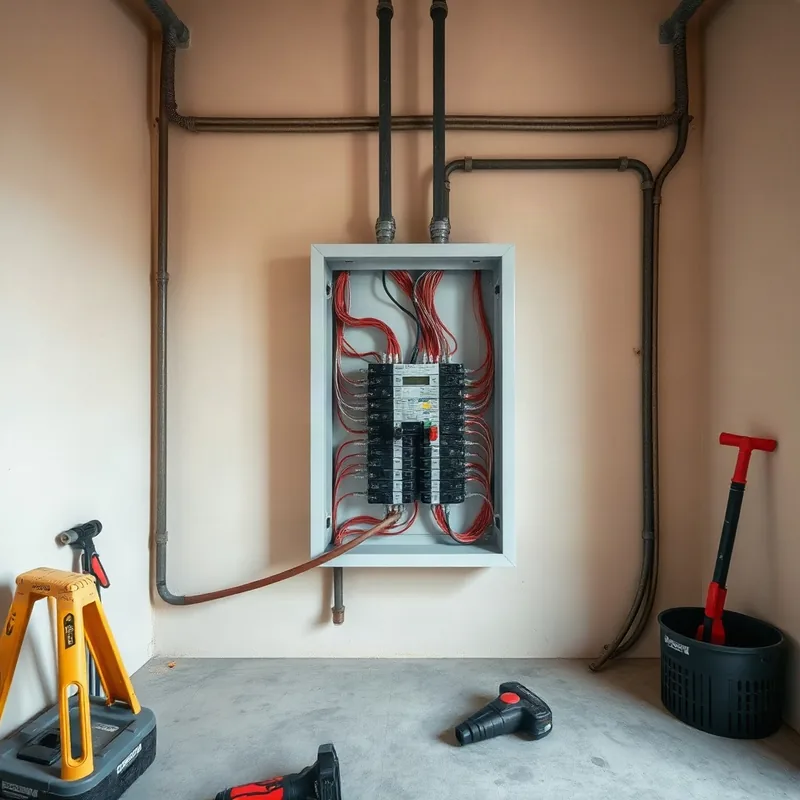
If flickering is widespread — affecting lights on multiple unrelated circuits — the problem may be at the main lug or service entrance rather than a single branch circuit.
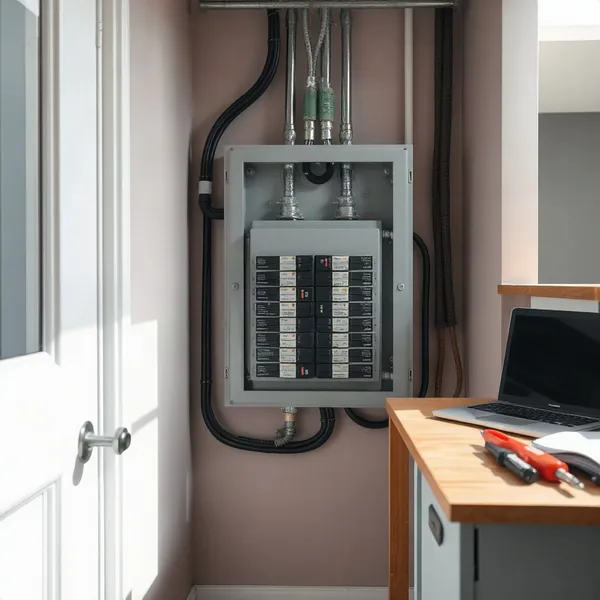
A corroded or loose panel connection at the main lug can cause voltage instability across the entire home, and the symptom shows up first in lights because they're more sensitive to voltage swings than appliances with motors. In Yakima homes with Federal Pacific or Zinsco panels, this is a particularly serious finding because those panels also have known breaker-failure issues. Homeowners planning a panel upgrade should also check Pacific Power rebate programs, which can offset part of that cost when the upgrade involves efficiency improvements.