01
Do You Need a Sub Panel for Your Garage or Shop?
detached structurededicated circuits
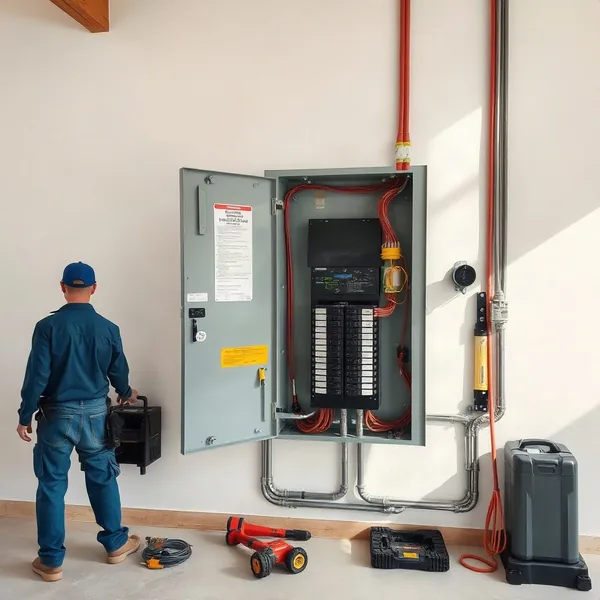
A garage sub panel makes sense the moment a detached structure or large shop needs more than one or two basic circuits.
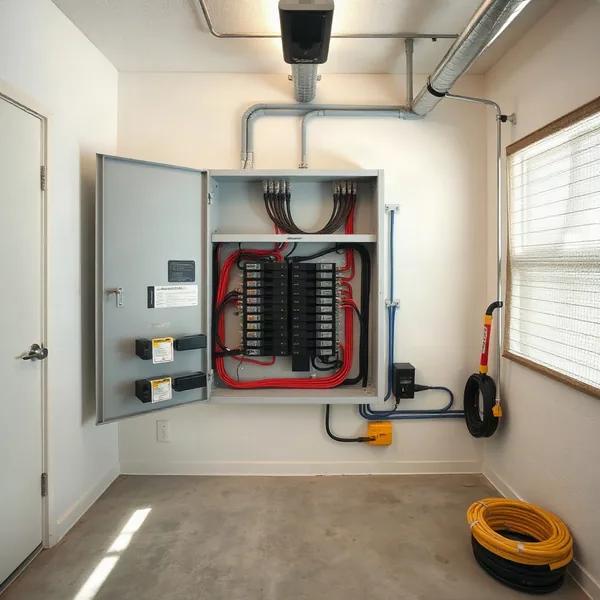
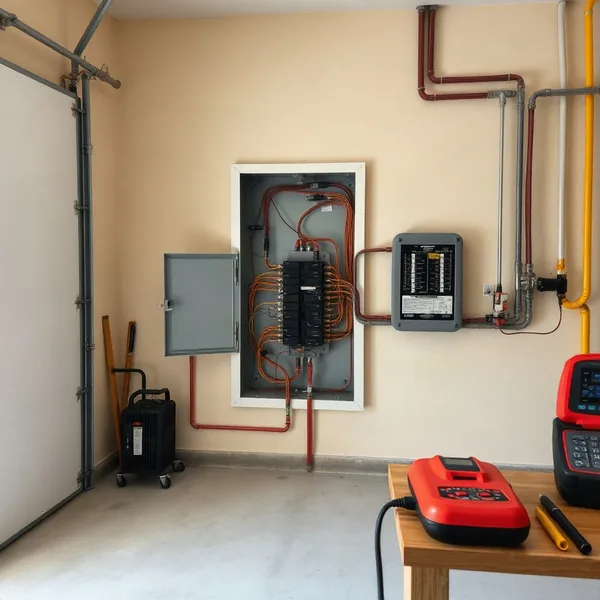
If you're planning to run power tools, a welder, an air compressor, or an EV charger, a single 20-amp circuit won't cover it — a dedicated 60- to 100-amp sub panel in garage gives each piece of equipment its own dedicated circuits without tripping breakers in the main house. NEC Article 225 also requires a disconnect means at any detached structure, which the sub panel itself satisfies. Washington State's 2021 IECC now mandates EV-ready conduit rough-ins in new construction and major remodels, so planning for a sub panel from the start avoids expensive rework later.
02
How Much Does Sub Panel Installation Cost?
feeder wireamp ratingdistance from main panel
First is the amp rating — a 60-amp panel costs less than a 100- or 200-amp unit. Second is the distance from your main panel, because a longer feeder wire run means more copper or aluminum conductor and more conduit.
03
Sub Panel Wiring Size and Main Breaker Requirements
NEC feeder sizingmain breakergrounding
Sub panel wiring size follows NEC Article 215 feeder sizing rules, tied directly to the panel's amperage rating and the length of the run.
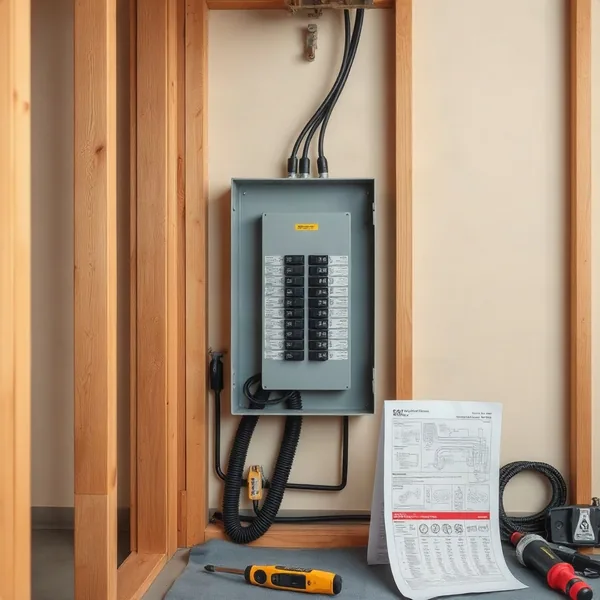
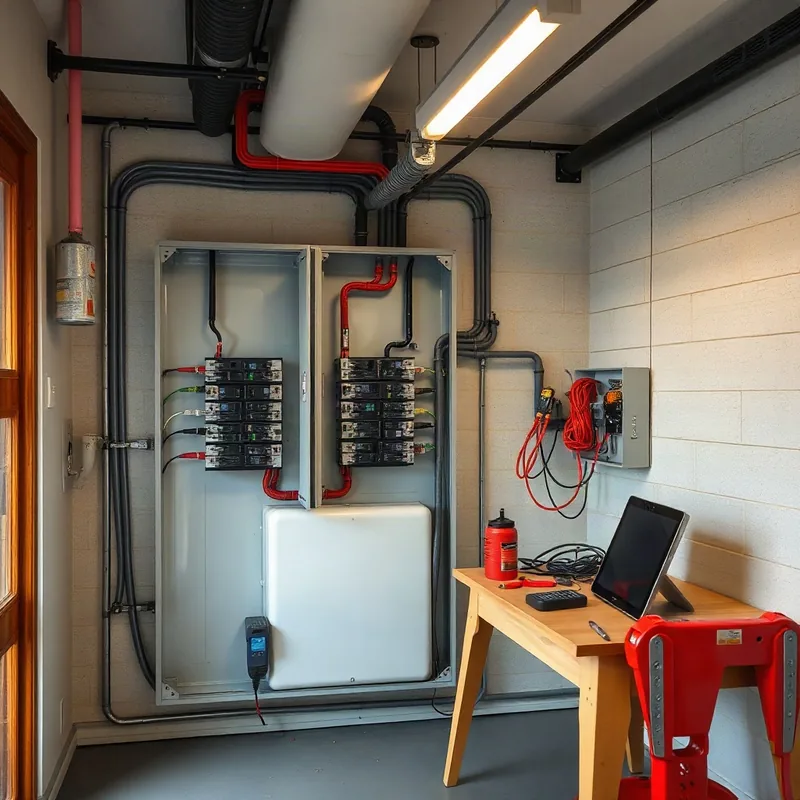
For a 60-amp sub panel, that's typically 6 AWG copper or 4 AWG aluminum; a 100-amp sub panel requires 4 AWG copper or 2 AWG aluminum. Runs exceeding 100 feet — common on larger Yakima properties — require upsizing one gauge to offset voltage drop. A main breaker sub panel is required for detached structures under NEC Article 225, providing a local disconnect independent of the main house. The sub panel wiring diagram must also show separate grounding and neutral buses, since grounds and neutrals share a bar only at the main panel. Both Yakima permit jurisdictions verify conductor sizing and bus separation at inspection.
04
Sub Panel Installation Near You in Yakima
service areaon-site evaluation
Our referral network covers the full service area, including properties inside Yakima city limits and unincorporated parcels throughout Yakima County.
Whether your property is in a newer development or one of Yakima's many pre-1980 neighborhoods, a contractor can schedule an on-site evaluation within a few days in most cases. Hot summers regularly pushing past 100°F drive heavy AC loads, and those same systems stress panels that were sized decades ago — making panel capacity upgrades one of the most requested jobs in this market. If you're also adding an EV charger, the contractor can scope the work with Pacific Power rebate eligibility in mind, since combining upgrades in a single permit often streamlines both the inspection and the rebate application.
05
Where Should Your Sub Panel Be Located?
clearance codeaccessibility
Location determines both code compliance and long-term convenience.
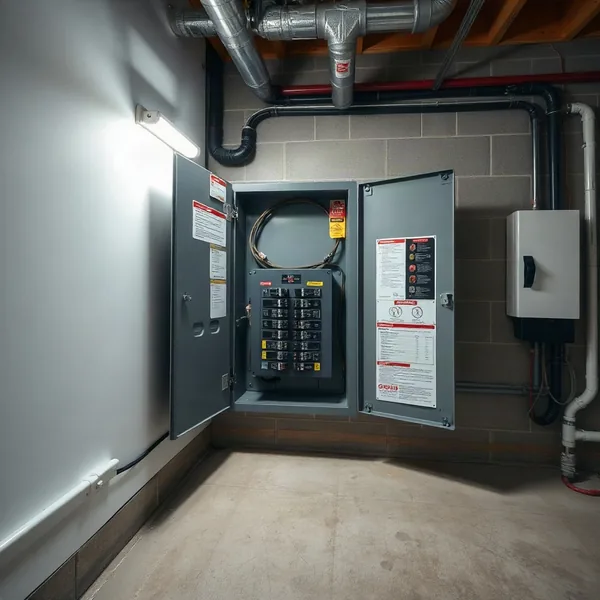
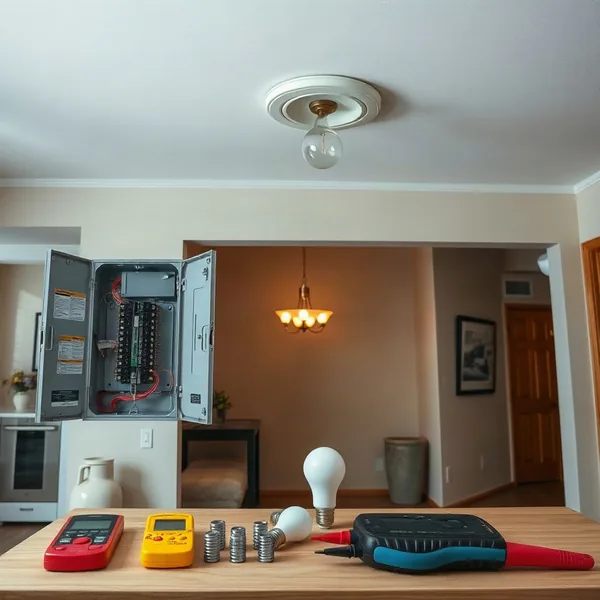
NEC Section 110.26 requires at least 36 inches of clear working space in front of any panel, 30 inches of width, and 6.5 feet of headroom — the clearance code applies whether the panel is in a finished basement or a garage wall. Panels cannot go inside bathrooms, clothes closets, or above stairways. For most Yakima homeowners, the garage or basement utility room wins on accessibility and keeps the feeder run short. If the panel will sit in an unheated space, Yakima's sub-10°F winter lows make weatherproof enclosures and properly sealed conduit runs a practical requirement, not just a preference. Confirm your chosen location with whichever permit jurisdiction governs your property before any work starts.
06
What Does the Installation Process Involve?
permitfeeder rungrounding rod
A complete sub panel installation moves through four stages.
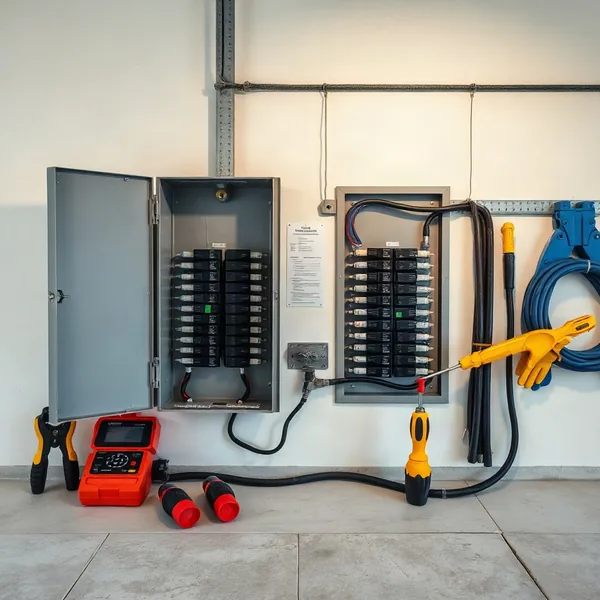
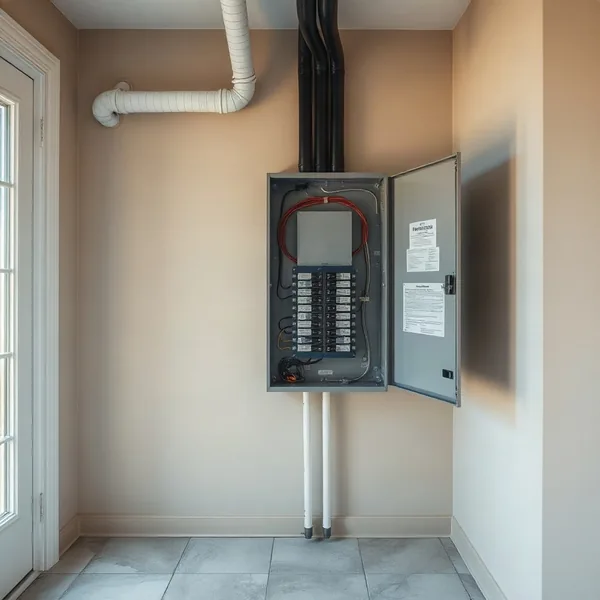
The contractor first sizes the feeder run — pulling feeder wire through conduit from the main panel breaker to the new sub panel location, which can mean trenching for underground runs to a detached shop. Once the panel is mounted and the conductors are landed, a grounding rod is driven at any detached structure and bonded to the sub panel's ground bus per NEC requirements. The permit step happens before rough-in work: residential electrical subpanel installation requires a permit from either the City of Yakima Code Administration Division or the Yakima County Building Department depending on your address. After rough-in inspection passes, the contractor installs breakers, labels circuits, and schedules final inspection. Most sub panel installs clear final inspection within one to two weeks of starting.